🎨 The Union of Art and Technology: Why is UI/UX Design Crucial for Galleries?

Mr. Manager, you know that these days, people don’t necessarily need to get up and go to physical galleries to see art. It’s not that they don’t exist; they do, but the story has changed. In a way, it’s as if art has embraced the digital world and settled there. Now, in this new landscape, if an online art gallery wants to be seen and make a statement, its User Interface (UI) and User Experience (UX) design are paramount. It’s no longer enough to just have a bunch of photos of artworks; it needs to be designed in a way that the audience truly feels like they’re walking through a gallery, enjoying each piece without feeling confused or tired. This is where the role of Rasaweb Afarin, as an expert in UI/UX design and digital marketing, becomes prominent.
The reality is that art itself is a deep world, full of emotion and atmosphere. Transferring this emotion and atmosphere to the digital space, without diminishing the original value of the artwork, is a delicate task. An art gallery website is not just a platform for displaying photos; it should be a mirror of the artistic identity, the gallery’s ambiance, and the story of each piece. If a visitor cannot easily navigate between pages, if the photos lack the necessary quality or are poorly displayed, or if information about the artwork and artist is not presented appropriately, the intended artistic experience will be lost.
Imagine someone wants to buy a painting but cannot easily see its details or find its information. Well, they will easily give up on the purchase. Here, good UI/UX design acts precisely like a professional guide, leading the audience hand-in-hand through the gallery, making them more familiar with each artwork, and ultimately, if they wish, smoothing the path to purchase. At Rasaweb Afarin, with our deep understanding of the nature of art and digital tools, we help ensure that your gallery’s website is not just an internet page, but an unforgettable artistic experience.
Understanding Your Art Audience: From Collectors to Casual Visitors
Well, before we even talk about pixels, colors, and buttons, let’s ask ourselves a fundamental question: Who is going to visit our online gallery? The answer to this question is often more complex than we imagine. Online art gallery visitors have a wide range; from professional collectors looking for a specific piece by a renowned artist, to art students doing research, or even someone just bored on a Friday and looking for different entertainment. Each of these groups has different expectations and needs from your website, and a successful UI/UX design must be able to address all these needs.
For example, collectors might be looking for minute details: the artwork’s history, authenticity, exact price, shipping methods, and insurance. For these individuals, quick access to complete and accurate information, the ability to view the artwork from various angles, and perhaps even direct contact with the gallery or artist, are crucial. However, a casual visitor might just want to browse large, high-quality photos, read a short and engaging description, and enjoy the visual beauty. They might not even think about the price or ownership details.
So, what’s our job? It’s to define a clear and convenient path on the site for each of these “User Personas.” What does this mean? It means, for example, for a collector, we implement an advanced search filter that allows them to find artworks based on creation year, style, dimensions, artist, and even materials used. Alongside this, there should also be an “About the Artist” or “Artwork Story” section that provides comprehensive information. But for a general visitor, a simple scroll bar with large photos and a “View More” button might suffice.
This deep understanding of the audience is the first step for any successful UI/UX design. Without this understanding, you are designing for an imaginary audience who may never truly understand your site as intended. The Rasaweb Afarin team, through extensive research and detailed analysis of user behavior, helps you identify these needs and create a website where every visitor, with any goal, feels comfortable and satisfied.
Do you want to establish direct, personalized, and highly effective communication with your current and potential customers? Rasaweb Afarin, with innovative direct marketing strategies, delivers your message in a completely targeted and personalized manner to your audience.
✅ Significant increase in response rates and direct interaction
✅ Creation and strengthening of long-term customer loyalty
✅ Ability to accurately and transparently measure campaign ROI
To establish direct communication and build lasting loyalty, contact us today.
Artistic Display of Works: Visual and Engaging User Interface Design
Now that we know who will be visiting our gallery, it’s time to arrange the “decorations” in a way that is both visually appealing and functional. In UI/UX design for art galleries, the visual aspect is paramount. Here, the artwork itself is king, and all other elements must serve it, not steal attention from it. What does this mean? It means backgrounds, fonts, colors, and even button layouts should guide the eye directly to the art and not distract it.
The first and most important point is image quality. This is obvious, but sometimes overlooked. High-resolution photos, appropriate lighting, and accurate color representation are the cornerstone of any online art gallery. The visitor should be able to zoom in on the artwork to see brushstroke details, and feel the nuances of color. Therefore, the image display system must provide this capability in the best possible way, with high speed and no lag.
The choice of the website’s color palette is also very important. Galleries often lean towards neutral and calming colors such as white, gray, or black. This is a smart choice because it prevents the site’s colors from clashing with the artworks’ colors or tiring the eyes. In essence, the color palette should act like a blank canvas on which the artwork can truly shine.
Regarding fonts, simplicity and readability are key. Complex and fancy fonts might work well in some contexts, but here, information about the artist, the artwork’s title, and its description must be read as easily as possible. Combining serif fonts (like Times New Roman) for headings and sans-serif fonts (like Arial) for body text is a tested and successful combination that conveys both authenticity and modernity simultaneously. Rasaweb Afarin, by meticulously observing these subtleties, helps you have a website where art shines brightest.
For further clarity, take a look at this table showing the difference between good and poor UI design for an art gallery:
| Feature | Optimal UI Design | Suboptimal UI Design |
|---|---|---|
| Image Quality | Very high resolution, deep zoom capability | Low-quality images, limited zoom |
| Color Palette | Neutral, monochromatic, complementing art | Loud colors, irrelevant, competing with artworks |
| Typography | Readable, simple, consistent with brand identity | Complex, unreadable, disordered fonts |
| Whitespace | Balanced, creating a sense of calm and focus | Cluttered, dense information, tiring |
| Buttons and Interactive Elements | Minimalist, with minimal distraction | Large, flashy, intrusive |

Click here to preview your posts with PRO themes ››
An Enjoyable Journey in the Virtual Gallery: Smooth and Flawless User Experience (UX)

Your gallery website is not just a collection of photos and text; it’s a journey, an adventure for the visitor. User Experience (UX) means how pleasant and seamless this journey is. Imagine entering a physical gallery and from the very beginning, you don’t know where to start, the corridors are winding, the artworks are haphazardly arranged, and there’s no guide. How would that make you feel? Probably tired and ready to leave quickly. A bad UX in the online space conveys precisely this feeling to the user.
A smooth UX means that the site’s navigation should be like a clear roadmap. Menus must be logical, accessible, and understandable. Visitors should be able to effortlessly move from the artists’ section to new works, or from a specific style to past exhibitions. Using breadcrumbs helps users know exactly where they are on the site. Furthermore, a powerful and efficient search function with appropriate filters is crucial for larger galleries.
Now, it’s not just about finding the artworks; interacting with them is also important. For instance, the ability to zoom in on details, view the artwork in different dimensions (virtual wall display), or even a section for deeper study about the piece and the artist’s inspirations. Some pioneering galleries even offer 3D virtual tours that effectively simulate a physical presence. These are all aspects of UI/UX design that transform the user experience.
Most importantly, the user should feel in control. This means they choose their own path, without any coercion. The speed of page loading goes without saying how crucial it is. In today’s fast-paced world, if a page takes more than a few seconds to load, you lose the user. Therefore, optimizing images and site code for speed is a fundamental principle. The Rasaweb Afarin team always considers these points in UI/UX design for websites to ensure your gallery offers a truly excellent experience.
Seamless User Experience: The Importance of Responsive and Mobile-Friendly Design
Today, most people connect to the internet via smartphones and tablets. This is an undeniable fact. Well, your online art gallery should also fit into everyone’s pocket! What does that mean? It means it should look just as beautiful and functional on any screen, of any size. This is where the concept of Responsive Design and being mobile-friendly shows its importance, gaining double significance in the discussion of UI/UX design for galleries.
Imagine someone sitting on the subway, browsing your site on their phone. If they constantly have to zoom in or scroll left and right to see content, or if buttons are so small they can’t click them, how will they feel good about it? Certainly not! A responsive website adjusts itself to the screen size of the user’s device. Images, texts, menus, and all visual elements intelligently resize and rearrange to provide the best experience on any device.
For art galleries, this issue is even more sensitive. Why? Because the accurate and beautiful display of artwork on a small screen presents its own unique challenges. We must ensure that image quality is maintained, important details are visible, and the user can easily navigate between artworks. This means that, on mobile, some information might need to be displayed less prominently or be placed in an accordion format to avoid cluttering the screen.
It’s not just about user convenience. Google and other search engines also place great importance on mobile-friendly websites. If your site doesn’t perform well on mobile, your SEO ranking will drop, and you’ll be less visible. Therefore, responsive UI/UX design is good for both the user and your business. At Rasaweb Afarin, we always implement a mobile-first approach from the outset in website design to ensure your gallery is ready for the digital future today.
Are you concerned about your business not being visible in search engines? Rasaweb Afarin, with specialized SEO and optimization services, will bring your site to the top of search results and attract many customers.
✅ Comprehensive keyword analysis and technical site optimization
✅ Production of SEO-driven content and effective advertorials
✅ Increase in organic traffic and customer conversion rate
Contact us now for a free SEO consultation!
Converting Visitors into Buyers: Optimizing the Purchase Path and Interaction

Well, so far, our gallery looks fantastic, and the user is enjoying browsing through it. Now, the question is how to convert this positive experience into an action, such as purchasing an artwork? This is where UI/UX design enters the sales phase. The process of buying an artwork, especially online, differs from purchasing a regular commodity. Here, emotions, trust, and sometimes high amounts of money are involved.
The first step is for “Add to Cart” or “Price Inquiry” buttons to be clear and prominent. These buttons should not be hidden or colored in a way that makes them invisible. However, they should also not be so flashy that they detract from the site’s artistic feel. A delicate balance is necessary. Complementary colors, readable fonts, and appropriate placement can make these buttons effective while still harmonizing with the overall design.
The purchase path should be as short and unobstructed as possible. What does this mean? It means that after the user decides to buy, they should not encounter lengthy forms, mandatory registrations, or complex payment steps. Every additional step increases the risk of losing the customer. Contact information, address, and banking details should be entered quickly and with minimal hassle. Using secure and recognized payment gateways significantly boosts trust.
Furthermore, transparent information is very important for artworks. Is the piece framed? What are the shipping costs? What about insurance? Does it have a certificate of authenticity? These questions must be clearly answered before proceeding with the purchase. An FAQ section can be very useful in this regard. Additionally, the option for online chat with support or an art consultant can be incredibly valuable for buyers with specific questions.
Let’s remember, buying art is an investment and requires reassurance. UI/UX design must give the user the confidence that they are purchasing from a credible source. Presenting testimonials from previous customers, introducing gallery experts, and showcasing achievements are all effective in this regard. Rasaweb Afarin, with a comprehensive approach, optimizes this path for you so that the purchasing experience is as enjoyable and worry-free as viewing the art itself.

Click here to preview your posts with PRO themes ››
Continuous Measurement and Improvement: Data Analysis and User Feedback
Building a great website is just the beginning. An online gallery is like a living entity that requires constant care and growth. This is where data and statistics come into play. We can’t just guess what’s good or bad; we need to know! Analyzing user behavior is like a flashlight that illuminates our path, showing us what visitors do on our site, where they get stuck, and where they enjoy themselves the most. This is an inseparable part of the UI/UX design process.
Tools like Google Analytics allow us to see how many people visited the site, from which page they came, how long they stayed on each page, what device they used, and even how deep they scrolled down the page. This information is gold! For example, if you see many users quickly leaving a specific page, it’s a sign that there’s a problem with that page; perhaps its loading speed is slow, its content isn’t engaging, or the UI/UX design of that section is confusing.
In addition to quantitative data, qualitative feedback is also very important. For example, through small surveys, feedback forms, or even interviews with a few users, we can directly ask them what they like and dislike. This feedback sometimes tells us things that no tool can identify.
Using this data, we can form hypotheses and test them with A/B Testing. For instance, we show two different versions of an “Add to Cart” button (with a different color or text) to two groups of users and see which version has a higher conversion rate. This iterative design approach—designing, testing, learning, and improving again—is what continuously makes a website better and better.
Ultimately, the goal is to optimize the user experience based on real data, not guesswork. This process never ends, as tastes and technologies are constantly changing. Rasaweb Afarin, with precise analysis and a data-driven approach, ensures that your online gallery is always at its best and performs better every day. This is how a business truly progresses in the digital world.
| Key Performance Indicator (KPI) | Importance in an Art Gallery | Why should it be tracked? |
|---|---|---|
| Bounce Rate | The percentage of users who leave the site after viewing only one page. | Indicates potential issues with initial attractiveness or content relevance. |
| Session Duration | The average time a user spends on the site. | A metric for gauging user engagement and interest in the site’s content and experience. |
| Pages Per Session | The average number of pages a user views in one session. | Indicates the success of navigation and the appeal of the site’s content. |
| Conversion Rate | The percentage of visitors who complete a desired action (e.g., purchase or inquiry). | Directly relates to the gallery’s sales and revenue. |
| Traffic Sources | The channels through which users arrive at the site (e.g., Google, social media). | Crucial for optimizing marketing campaigns and SEO. |
Digital Trust Building: Security, Transparency, and Authenticity in the Online Gallery

In the real world, when we enter a gallery, we feel a sense of authenticity and trust from the very first moment. The walls, lighting, even the staff’s demeanor, all convey a message. In the online space, it becomes a bit harder because that physical interaction is absent. Here, UI/UX design must create a sense of security and trust in the user, as if they are truly walking through a reputable space. This part of the work is the foundation of E-E-A-T (Experience, Expertise, Authoritativeness, Trustworthiness).
First of all, security! No one wants to enter their personal or banking information on an insecure site. An SSL certificate (with the green padlock next to the site address) is no longer an option; it’s a necessity. This certificate indicates that communication between the user and the site is encrypted and information is protected. Privacy Policy should also be clearly accessible, and the user should know how their information is used.
Next is transparency. What does transparency mean for artworks? It means precise and unambiguous information: the artist’s full name, date of creation, exact dimensions, materials used, price (if displayable), and care instructions. The more complete and accurate the information, the more trust the user gains. If the artwork has a certificate of authenticity from the gallery or artist, this must be mentioned on the artwork’s page, and if possible, an image of the certificate should also be displayed. Authenticity is everything in the art world.
Your online gallery must have a strong and professional visual identity. This includes the logo, color scheme, fonts, and content tone. A sloppy or unprofessional appearance, even with good content, destroys trust. Rasaweb Afarin, alongside UI/UX design, designs your brand’s visual identity in the best possible way to convey a sense of professionalism from the very first glance.
Reviews and feedback from previous customers are also very valuable. If satisfied customers have purchased from you and shared their positive opinions, this can greatly help build trust. Finally, complete contact information and accessible support (phone, email, online chat) show that a real team stands behind this gallery and is responsive. All these elements complete the puzzle of trust and transform an online gallery from merely a website into a reputable platform for buying and selling art.
Beyond Display: UI/UX Innovations for the Future of Art Galleries

The digital world never stands still for a moment. A new technology always emerges that can change the game. The same applies to online art galleries. Simple display of artworks is no longer enough; we must think about innovations that take the user experience to the next level and distinguish the gallery from competitors. Here, UI/UX design is like a canvas on which new ideas are to be implemented.
One of the most exciting innovations is Augmented Reality (AR). Imagine a buyer wants to purchase a painting but doesn’t know how it will look on their wall at home. With AR, they can point their phone’s camera at the wall and virtually see the painting, in real dimensions, on their wall! This not only makes the buying experience incredibly more engaging but also greatly assists the customer in decision-making and reduces product return rates. This is a truly game-changing feature.
The next point is personalization. By utilizing Artificial Intelligence and Machine Learning, we can analyze visitor behavior and, based on their taste and viewing history, suggest artworks or artists they might like. Just like video streaming platforms recommend movies, an art gallery can suggest relevant artworks. This enhances the sense of personal connection with the gallery and encourages the user to spend more time.
Click here to preview your posts with PRO themes ››
Interactive content is also very important. For example, stories behind the artworks, short videos of the artist creating a piece, or even podcasts discussing art styles. These encourage the user to engage more with the site and not just be a passive viewer. Creating sections for comments, discussions, and exchanges of ideas can also foster an active community around your gallery.
At Rasaweb Afarin, we are always seeking these innovations and, using our expertise in Artificial Intelligence, automation, and UI/UX design, we implement creative and advanced solutions for your gallery. The future of art galleries lies in the intelligent adoption and integration of technology, and we are ready to accompany you on this path.
Do you want to multiply your sales by increasing website traffic? Rasaweb Afarin, with advanced SEO marketing strategies and website traffic generation, increases incoming traffic and attracts more potential customers.
✅ Improve website ranking in search engines
✅ Attract high-quality and interested visitors
✅ Significant increase in sales opportunities and revenue
To achieve your sales goals, consult with us today!
Partnering with Experts: Why Rasaweb Afarin is a Smart Choice?
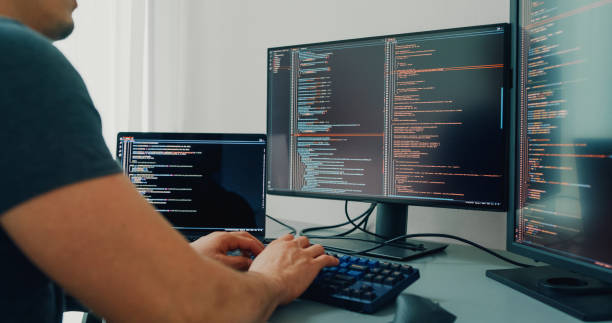
Well, so far, we’ve seen how much detail and complexity UI/UX design holds for an art gallery. From understanding the audience and artistically displaying works to technical discussions like responsiveness, SEO, security, and even future innovations like augmented reality. This is not just designing a simple website; it means creating an experience, a parallel world for your art.
You might think that all of this can be done with an ordinary designer. But the reality is that to achieve truly brilliant results, you need a team that not only possesses technical expertise but also understands the art world and knows how to bridge these two domains. A team that not only implements the principles of E-E-A-T (Experience, Expertise, Authoritativeness, Trustworthiness) in its own work but also brings them to your gallery.
Rasaweb Afarin is precisely that team. We are not just a UI/UX design company. We are a full-service digital marketing agency that covers everything from SEO and content marketing to 360-degree advertising campaigns and brand visual identity. This means that when you collaborate with us, you’re not just building a website; you’re receiving a comprehensive digital strategy for the growth and visibility of your art gallery.
Our team, with deep experience in designing and developing complex websites, optimizing SEO for visibility in search engines, and a precise understanding of user psychology, can transform your online gallery into a highly visited destination for art enthusiasts. We know how to present visual and textual content in a way that is both engaging for visitors and optimized for search engines. This kind of work isn’t trivial; it requires a lot of experience and many specialists.
Choosing Rasaweb Afarin means choosing peace of mind. Peace of mind knowing that your online gallery is in the hands of a team of true specialists who value details, quality, and results. We are here not only to build a beautiful and functional website for you but also to transform it into a powerful tool for the growth and development of your artistic business. So, if you’re looking for a real partner in the digital world who can turn your artistic dreams into reality, Rasaweb Afarin is the best choice. We look forward to writing your gallery’s success story together.
| Question | Answer |
|---|---|
| 1. How does UI/UX design for an art gallery differ from other websites? | The main difference lies in focusing on the visual and emotional experience, high-quality display of artworks, and creating a unique path for discovering and purchasing art. In galleries, aesthetics and usability must be in complete harmony. |
| 2. Why is mobile-friendliness important for my online gallery? | Most visitors access websites via mobile devices. A mobile-friendly website offers a better user experience and helps improve SEO ranking, which leads to more traffic. |
| 3. How can I build visitor trust on my gallery website? | Through using an SSL certificate, providing transparent and accurate information about artworks and artists, displaying certificates of authenticity, maintaining a professional visual identity, and offering clear communication channels and responsive support. |
| 4. Is Augmented Reality (AR) useful for my online art gallery? | Highly useful! AR allows customers to virtually view artworks in their actual space, which helps with better decision-making and a more engaging purchasing experience. This is considered a strong competitive advantage. |
| 5. How can I ensure my gallery website is optimized for search engines? | This is achieved through technical site optimization (speed, responsiveness), using relevant keywords, producing high-quality and unique content, and adhering to SEO principles in UI/UX design. The Rasaweb Afarin team specializes in this area. |
| 6. What information should I include on each artwork’s page? | Artist’s name, artwork title, year of creation, dimensions, materials used, price (if desired), the story or description of the piece, and any certificates of authenticity or exhibition history. High-quality images and zoom capability are also essential. |
| 7. Do I need an online chat feature on my gallery website? | Yes, this feature quickly answers user questions and enhances the sense of personal connection with the gallery, which can be very effective in the purchasing decision process. |
| 8. What is meant by personalization in the art gallery user experience? | Personalization means displaying suggested artworks and artists to each visitor based on their previous tastes and interests, which is made possible through the analysis of visit data and artificial intelligence. |
| 9. How can I measure and improve my gallery website’s performance? | By using web analytics tools like Google Analytics to monitor KPIs such as bounce rate, session duration, and conversion rate. Also, collecting direct feedback from users and conducting A/B tests to optimize different parts of the site. |
| 10. How can Rasaweb Afarin help my art gallery? | Rasaweb Afarin, with expertise in UI/UX design, web development, SEO marketing, content creation, and the use of new technologies (such as AI and AR), creates a comprehensive digital strategy for your gallery to be beautiful, functional, and highly visited. |
And other services of Rasaweb Advertising Agency in the field of advertising
• Consulting on Web Hosting selection and optimization
• Consulting and implementation of Content Delivery Network (CDN)
• Consulting and implementation of Website Security
• Consulting on Website Infrastructure Scalability
• Consulting on Server selection and management
And over hundreds of other services in the field of internet advertising, advertising consulting, and organizational solutions
Internet Advertising | Advertising Strategy | Advertorials
Major decisions require major information! We provide comprehensive insights for senior executives through big data analysis. ✅ Strategic and macro perspective
✉️ info@idiads.com
📱 09124438174
📞 02126406207
📍 Tehran, Mirdamad Street, next to Bank Markazi, Southern Kazeroon Alley, Ramin Alley, No. 6