
🎯 An Introduction to Digital Presence in the Insurance Industry

Look, the insurance industry, which was once solely tied to physical offices, paperwork, and traditional advertising, has now fully embraced the digital wave. To be frank, the era of customers simply walking through your door or finding you through word-of-mouth referrals is over. Today, every business, especially in a field like insurance that requires deep trust-building, must have a strong presence on social media. This is no longer just an option; it’s an absolute necessity.
Managing social media for an insurance business is far more than simply publishing a few attractive photo posts and congratulating people on holidays. This, my friend, requires a full-fledged strategy. You need to structure your online presence in a way that is professional, trustworthy, and builds a deep, genuine connection with your audience. So, why is this so important? Because today, for everything from buying bread to choosing a life insurance policy, people first turn to their phones. They search for information, read reviews, and then make decisions. If you’re not there, it’s as if you don’t exist, plain and simple.
Many might say insurance is a dry product; how can it be made engaging on social media? Well, this is exactly where art and expertise come into play. We don’t want to simply advertise insurance rates; we need to tell stories. We must show how insurance can bring peace of mind, how it can build a safer future, and how it stands by its clients during difficult times. This means producing content that evokes emotion, not just facts and figures. This field has its nuances, like knowing how to lubricate a gear so it runs smoothly and silently.
With proper and effective social media management for your business, you can outpace your traditional competitors, even if they have a longer history. Speed, transparency, and the ability to communicate directly with customers are your trump cards. Branding, attracting new leads (i.e., prospects), and ultimately, increasing sales—all of this starts here. In this comprehensive guide, we intend to guide you step-by-step through this journey, from laying the foundation to reaching the pinnacles of digital success. Are you ready? Let’s begin!
🔍 Understanding Your Insurance Audience and Target Market

I remember once talking to one of our clients who was in the insurance business. He said, “We’re putting out content on all platforms, but it seems like no one is engaging.” Honestly, the real issue lay elsewhere: he didn’t know who he was talking to! It’s like being at a party and talking loudly, but no one listens to you because your words aren’t interesting to them. The most important step in business social media management is understanding your audience, especially when it comes to insurance.
To start, you need a clear picture of your ideal customer. Who buys these insurance policies? Is it a young, single professional new to the workforce? A family with young children concerned about their future? A retiree seeking supplementary insurance? Each of these groups has different concerns, needs, and, naturally, prefer different social platforms. Younger individuals, for instance, might be more active on Instagram or TikTok, while older demographics might be more active on Telegram or LinkedIn.
You need to delve into demographics: age, gender, occupation, income, location (this is crucial for GEO SEO!). Then, explore psychographics: What are their concerns? What are their fears? What are their aspirations? For example, parents seeking life insurance for their children are concerned about their future and education. The content you create for this segment must instill a sense of security and foresight. For a young person looking for more affordable third-party insurance, the focus might be on price and issuance speed. You need to understand how each group thinks, what they read, and what tone resonates with them.
Social media analytics tools and even Google Analytics can significantly help you understand who your audience is and how they interact with your content. You can even conduct surveys or talk to your current customers. The more precise your understanding, the more targeted and engaging your content will be. This way, when you post, you’re sure you’re talking to the right people, and your message truly resonates. Without this understanding, no matter how great your content, it’s like pounding water in a mortar. So, take your time and know your audience inside and out.
Does your team need help with Instagram content production? Rasaweb Afarin, with professional and engaging Instagram content production, transforms your page into a magnet for attracting audiences and increases your sales.
✅ Creative post and story design
✅ Content calendar planning
✅ Increased engagement and page conversion rate
Shine on Instagram with Rasaweb Afarin.
💡 Developing a Social Media Content Strategy for Insurance

Okay, now that we know who we’re talking to, it’s time to figure out what to say and how to say it. This is where crafting a solid content strategy for insurance business social media management becomes crucial. Unlike some other products, insurance isn’t an inherently exciting or “fun” product. No one will be ecstatic about renewing their third-party liability insurance! But, this essential product can be presented in a way that is engaging, even educational, and instills a sense of trust in the audience.
First and foremost, think about educational content. Many people still don’t fully understand the different types of insurance and what purpose they serve. Posts titled “5 Important Tips Before Buying Comprehensive Car Insurance” or “What is the Difference Between Life Insurance and Supplementary Health Insurance?” can be incredibly effective. This type of content establishes you as an expert and a reliable authority in the field. Transparency and honesty in explaining complex matters builds significant credibility.
Second, customer success stories and testimonials. Nothing influences people more than seeing or hearing the positive experience of a real person. If you have a customer who overcame a major challenge with the help of their insurance, ask them to share their story. This can take the form of a short video, a quote, or even a blog post. These narratives highlight the human aspect of insurance and helps the audience connect with it.
Third, interactive and behind-the-scenes content. Live Q&A sessions with insurance experts, surveys about people’s insurance concerns, or even glimpses into the company’s daily operations (while respecting privacy) can foster a sense of closeness. A content calendar is also a crucial component. Plan what type of content will be published on which days and platforms. This helps you always have fresh and relevant content and avoid confusion.
| Content Type | Main Goal | Example |
|---|---|---|
| Educational Content | Increase audience knowledge, demonstrate expertise | “Comprehensive Guide to Third-Party Insurance in the New Year” |
| Customer Success Stories | Build trust, show practical application of insurance | “How Life Insurance Saved My Family’s Future?” |
| Q&A (FAQ) | Address common ambiguities, increase transparency | “Answers to 10 Frequently Asked Questions About Health Insurance” |
| News and Updates | Communicate changes, maintain connection | “New Changes in Car Insurance Regulations” |
| Behind-the-Scenes & Team | Humanize the brand, create a sense of intimacy | “Meet the [Company Name] Insurance Support Team” |

Click here to preview your posts with PRO themes ››
Finally, remember that visual content is very important. Simple yet captivating infographics to explain complex insurance policies, short and dynamic videos, or even high-quality photos of your team and workplace—all contribute to the appeal of your content. Content should be like a flowing river: always moving, fresh, and heading towards the ocean of your target audience.
🛠️ Choosing the Right Platforms for Your Insurance Business

These days, with the social media market so vibrant, one might be tempted to have a presence on every available platform. But honestly, it’s like trying to attend ten parties at once and not making a good impression at any of them. For effective social media management in the insurance sector, choosing the right platforms that align with your goals and audience is paramount.
So, which platforms work for insurance? Let’s explore some of the most important ones together:
**Instagram:** Undoubtedly one of the most powerful platforms in Iran. With strong visual content, Stories, Reels, and Live sessions, you can build an excellent connection with your audience. For insurance, Instagram is excellent for highlighting the human aspects of insurance, storytelling, engaging infographics, and even introducing your team. You can engage your audience with short educational Reels or Q&A Stories. Since most of its users are younger, it can be a good option for policies like third-party liability, comprehensive car insurance, or even short-term investments.
**LinkedIn:** If your audience comprises businesses, managers, and professionals, LinkedIn is a treasure trove. For liability insurance, corporate insurance, or even recruiting new colleagues and agents, LinkedIn is unparalleled. More serious and specialized content, such as in-depth educational articles, insurance market analyses, or presenting insurance solutions for businesses, are highly effective here. This platform is primarily suited for building credibility and B2B (Business to Business) relationships.
**Telegram and WhatsApp:** These two primarily function as messaging apps, but Telegram channels and WhatsApp groups can be very useful for customer support, quick notification of changes or special offers, and even direct marketing. You can create a Telegram channel for insurance news or use WhatsApp groups for direct and quick communication with current customers. This provides a more private and personal space that can be highly effective for sensitive insurance communications.
**YouTube (and Aparat):** If you have the ability to produce high-quality video content, don’t underestimate these platforms. Detailed educational videos about various insurance policies, interviews with experts, or simplifying complex insurance concepts can establish you as a trusted authority. Video content has a strong ability to build trust and clarify complex topics.
There’s no obligation to be active on all these platforms. The important thing is to understand where your audience predominantly spends their time and what type of content resonates with them. Then, dedicate all your focus and energy to those platforms to achieve the best results. Remember, quality always trumps quantity.
🗣️ Effective Engagement and Relationship Building with Customers
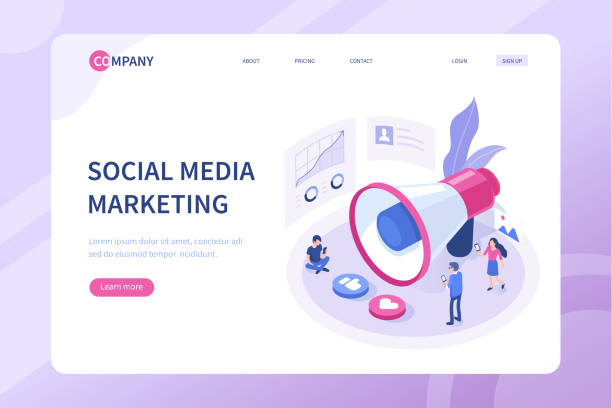
One of the biggest advantages of social media is this unique opportunity for direct, unmediated communication with customers. In the insurance industry, which is built on trust and long-term relationships, these interactions are worth their weight in gold. If you merely post content and disengage, without paying attention to comments and messages, you’re missing a golden opportunity. Business social media management isn’t just about content creation; it’s largely about building relationships.
Imagine a customer has asked a question under one of your posts. If you respond quickly and thoughtfully, they’ll feel that you value them and care about their concerns. This itself is a huge advantage over competitors who might take hours or days to respond to an email. The speed and quality of responses in Instagram DMs, comments, or messaging apps are very important. Even if you don’t know the answer, state that you’ll follow up on their question and respond as soon as possible.
But engagement isn’t just about responding. You can initiate conversations yourselves. Conduct surveys, ask questions, or host live Q&A sessions. For example, a live session titled “Ask Any Question You Have About Insurance!” can attract a lot of participants. This way, you both address people’s ambiguities, showcase your expertise, and foster a sense of a friendly community around your brand. People want to feel like they’re part of a group, not just a customer.
Sometimes, you can connect with your audience using a friendly, intimate, or even slightly humorous tone. Of course, you must respect the boundaries of professionalism. Insurance is a serious matter, but that doesn’t mean you can’t approach it with a smile. This humanization of your brand is what attracts people. Don’t forget that behind every social media account sits a real person who wants to communicate with another real person.
In summary, engagement is like a two-way street. You provide information, they ask questions; you respond, they trust. This chain of interactions ultimately leads to customer loyalty and increased sales. So, never miss an opportunity to converse, even if it’s a simple comment. Every comment and message is an opportunity to build a lasting relationship.
Are you looking for a capable and reliable digital marketing partner that can fully cover all your needs? Rasaweb Afarin, as a comprehensive agency, provides all internet marketing and web development services with the highest quality. We are your strategic partner in the digital world.
✅ Providing integrated and comprehensive solutions for all your digital needs
✅ Benefiting from an expert, experienced, and fully committed team to your success
✅ Guaranteeing measurable and sustainable results for long-term business growth
Find your reliable and powerful digital partner by calling 09124438174!
📈 Targeted Advertising Campaigns on Social Media

While organic content and continuous engagement are crucial for insurance business social media management, to gain rapid visibility and acquire new customers, you need Paid Ads. It’s like having an excellent shop, but if it’s tucked away in a dead-end alley and unknown, it won’t attract many customers. Paid advertisements are like a large sign at a crossroads that guides everyone towards your shop.
Platforms like Instagram, Telegram, and even Google Ads (which isn’t strictly social media but is an excellent complement) offer unparalleled targeting tools. You can show your ads to individuals who, for instance, live in a specific geographic area, are of a certain age, or have shown interest in specific topics (like travel, family, or investment). This minimizes advertising budget waste and ensures your ad reaches precisely those who are most likely to need your insurance services.

Click here to preview your posts with PRO themes ››
Advertising campaigns in the insurance sector can have various objectives: for example, increasing Brand Awareness, Lead Generation, or even Direct Sales. For lead generation, you can use Lead Forms that can be filled out directly within the platform, eliminating the need for users to navigate away. This increases the Conversion Rate, as fewer people are willing to leave an app just to fill out a form.
The type of advertising content is also very important. A short, impactful video showcasing a scenario of unexpected life events and the peace of mind insurance provides can be far more impactful than a simple poster. Don’t forget A/B Testing either. This means testing two different versions of an ad to understand which one generates better engagement. This way, you can spend your budget more intelligently and achieve the best results.
There’s also the issue of budgeting. You don’t need to spend a fortune right from the start. You can begin with smaller budgets and gradually increase them as you gain experience and observe results. Advertising platforms offer a lot of flexibility in this regard. So, targeted advertising campaigns are an incredibly powerful tool for growth and visibility in the competitive insurance market. You just need to use them carefully and intelligently.
📊 Measuring and Analyzing Social Media Performance

You might think that business social media management is just about posting and getting likes. But the truth is, a large part of the work involves analysis and measurement. It’s like driving; if you only hit the gas pedal without looking at the speedometer, you might quickly veer off course or run out of fuel. Without analysis, you can’t understand what’s working and what isn’t, which means you could be wasting your time and money.
Social media platforms themselves have built-in analytics tools that provide valuable data. For example, Instagram Insights, Telegram Analytics, etc. These tools tell you how many views your posts have received, how many people visited your profile, which posts garnered the most engagement (likes, comments, saves, shares), and during which hours your audience is most active. This information is incredibly valuable.
However, simply looking at these numbers isn’t enough; you need to be able to analyze them and draw insights. For instance, if you notice your educational posts get high views but few comments, you might need to focus more on interactive content. If your Reels get good views but don’t convert into new followers, perhaps your Call to Action isn’t clear enough. Every number tells a story that needs to be uncovered.
Key Performance Indicators (KPIs) you should monitor include: number of followers/members, Engagement Rate, Reach, profile visits, number of link clicks, number of leads generated, and ultimately, sales. It’s crucial to define your KPIs in alignment with your specific goals. If your goal is to increase brand awareness, Reach is important. If lead generation is your objective, then the number of link clicks or form completions carries more weight.
| KPI | Meaning | Why It Matters? |
|---|---|---|
| Engagement Rate | Ratio of likes, comments, and shares to follower count | Indicates content attractiveness and audience connection |
| Reach | Number of unique individuals who have seen the content | Crucial for increasing brand awareness |
| Number of Leads | Individuals who have provided their contact information to receive services | Directly impacts sales |
| Conversion Rate | Percentage of leads converted into customers | Shows the overall efficiency of the marketing strategy |
| Click-Through Rate (CTR) | Number of clicks relative to the number of link impressions | Indicates user interest in website content or landing page |
You can also use more advanced tools like Google Analytics to track incoming traffic from social media to your website. With this data, you can continually optimize your content and advertising strategies and ensure you are on the right track. Continuous analysis and optimization are the key to sustainable success in the digital space.
🛡️ Crisis Management and Maintaining Online Reputation

In today’s digital world, a small mistake or even a misunderstanding can quickly turn into a major crisis. Online reputation is a double-edged sword; it takes years to build but can be lost in a matter of hours. For an insurance business, whose foundation is built on trust, crisis management and maintaining an online reputation are more critical than anything else. This is an important part of business social media management that often receives less attention.
Imagine a dissatisfied customer shares their negative experience with you on social media, and their post goes viral. If you’re not prepared, things can quickly spiral out of control. So, the first step is to have a crisis management plan. This plan should include clear steps for response, a designated team, and an appropriate tone for communication. Who should respond? What should they say? When should they do it?
Transparency and honesty are the best policy in such situations. Never try to hide a problem or falsely portray the situation. People are savvier than that. Instead, honestly acknowledge the issue (if a mistake has indeed occurred), apologize, and show that you are actively working to resolve it. This approach often helps even angry customers calm down and feel that their concerns are being respected.
Prompt response is also of paramount importance. A delayed response is like adding fuel to a fire that’s already blazing. Try to respond to negative comments and messages as quickly as possible, but with an open and precise mind. The tone of your response should be professional and empathetic, not defensive or aggressive. Be a good listener and allow the dissatisfied customer to express their concerns.
Sometimes, the best solution is moving the conversation to a more private space. For example, suggest that the customer contact you directly or follow up on their issue through direct messages. This prevents the discussion from becoming public and also provides a sense of personalization for the customer. After the issue is resolved, if possible, ask the customer, if they are satisfied, to delete or edit their previous post, or even share a new positive experience. Maintaining an online reputation is a long-term game that requires high vigilance and skill.
🤖 The Role of AI and Automation in Insurance Social Media Management

You might think AI and automation are concepts belonging to science fiction movies, but believe me, in the world of insurance business social media management, they are significantly simplifying tasks. We are no longer in the dinosaur age where everything is done manually. Using these tools is like having an invisible, incredibly intelligent assistant working for you around the clock.
One of the tedious tasks in social media is post scheduling. Going online at a specific time every day to post can be challenging. Content scheduling tools (like Hootsuite or Buffer) allow you to prepare and schedule your content for days and weeks in advance. This gives you more free time for engagement and strategizing, rather than just repetitive tasks.
Click here to preview your posts with PRO themes ››
Now, let’s talk about AI. You’ve surely encountered chatbots. These can significantly assist in answering frequently asked questions from insurance customers, 24/7 and tirelessly. For example, if someone asks, “What coverages does comprehensive car insurance have?” or “What documents are needed to claim damages?”, a chatbot can quickly respond. This both increases response speed and reduces the workload on the support team. Of course, for more complex questions, there should always be an option to connect with a human.
AI can even help you with generating content ideas. By analyzing trends and popular topics, it can suggest new posts, engaging headlines, or even popular hashtags. AI-powered tools for Sentiment Analysis also exist, which tell you how people generally feel about your brand – positive or negative. These are insights that are almost impossible to gather manually.
The use of AI to optimize paid advertising is also becoming increasingly common. AI algorithms can analyze data to suggest the optimal time to display ads, the best target audience, and even the most efficient budget to maximize your ad’s return on investment. Of course, these technologies are still evolving and shouldn’t be blindly trusted, but they are undoubtedly shaping the future of social media management. So, don’t overlook them!
Are you looking to launch advertising campaigns on Google and social media simultaneously? Rasaweb Afarin, with its Google and Instagram advertising campaigns, brings maximum visibility and engagement to your brand!
✅ Integrated campaign planning
✅ Precise targeting on each platform
✅ Comprehensive reporting and continuous optimization
For successful combined campaigns, consult with Rasaweb Afarin experts!
🚀 Advanced Tips and Future Trends in Insurance Marketing
Well, so far, we’ve discussed extensively how to build and optimize insurance business social media management from the ground up. But the digital world is such that if you’re not careful for a moment, you’ll be left behind by the train of progress. So let’s take a look at future trends and tips that might give you an edge in the insurance marketing game.
One of these trends is Influencer Marketing. It might seem unusual, but influencers can be used even for insurance. But not just any influencer! You need to look for micro-influencers who are active in fields relevant to your insurance audience. For example, a financial expert discussing savings and investments, or a mother blogger who creates content about health and family. Collaborating with these individuals can help your message reach your target audience in a more natural and trustworthy way.
Video content, especially short and engaging videos, continues to reign supreme. People no longer have the patience to read lengthy texts, but a 90-second video that explains a complex insurance concept in simple terms can capture significant attention. Instagram Reels, short Telegram videos, and even using Live sessions are powerful tools that should not be underestimated.
Personalization is also an important trend. The era of generic, one-size-fits-all advertising is over. By using the data you collect from your audience, you can deliver personalized insurance messages to them. For example, if someone has recently searched for travel insurance, show them a travel insurance ad. This gives the audience the feeling that you truly understand their needs and offer tailored solutions.
Finally, always stay alert to new platforms and technologies. Perhaps tomorrow a new platform will emerge that can be used for insurance marketing. The important thing is to be flexible, don’t be afraid to experiment with new ideas, and always keep learning. Success in business social media management is an endless journey full of new adventures.
| Question | Answer |
|---|---|
| Why should insurance businesses be active on social media? | To increase brand awareness, build trust, attract new customers, and provide fast support services to existing clients who spend a significant amount of their time on these networks today. |
| What is the most important goal of an insurance presence on social media? | The main goal is to build trust and educate the audience about the complexities of insurance, alongside attracting sales leads and establishing two-way, human connections with customers. |
| What type of content is effective for the insurance industry on social media? | Educational content (infographics, videos), customer satisfaction stories, Q&A (live Q&A sessions), insurance industry news and updates, and interactive content. |
| Which social platforms are most suitable for insurance marketing? | Instagram for visual content and storytelling, LinkedIn for B2B and specialized communications, and Telegram/WhatsApp for direct notifications and support. YouTube/Aparat are also excellent for educational videos. |
| How can I increase engagement with customers on social media? | By responding quickly and empathetically to comments and messages, conducting surveys and live Q&A sessions, and creating content that invites the audience to converse. |
| Are paid advertisements on social media essential for insurance? | Yes, paid advertisements are highly effective for faster visibility, attracting targeted leads, and reaching audiences that might not be accessible organically. |
| How can I measure the performance of my social media campaigns? | By using built-in analytics tools of platforms (like Instagram Insights) and tools such as Google Analytics. Metrics like engagement rate, reach, number of leads, and conversion rate are important. |
| How can online crises be managed on social media? | By having a pre-defined crisis management plan, responding quickly and transparently, being honest in admitting mistakes (if necessary), and striving to resolve issues in a professional and empathetic manner. |
| What is the role of AI in insurance social media management? | AI can significantly assist in scheduling posts, responding to FAQs via chatbots, generating content ideas, and optimizing advertising campaigns. |
| Why should I collaborate with a digital marketing agency for insurance social media management? | A specialized agency has the necessary expertise and experience to effectively implement complex digital marketing strategies, saves you time and money, and allows you to focus on your core business. |
And other services of Rasaweb Advertising Agency in the field of advertising
• Development of custom websites with special features
• SEO for About Us and Contact Us pages
• Production of live video content and webinars
• Geographically targeted advertising campaigns
• Design and development of feedback and product rating systems
And hundreds of other services in the field of internet advertising, advertising consulting, and organizational solutions
Internet Advertising | Advertising Strategy | Advertorials
Are you fully satisfied with your business’s financial performance?
By analyzing financial data, we reveal your strengths and weaknesses.
✅ Accurate financial assessment
✉️ info@idiads.com
📱 09124438174
📞 02126406207
Tehran, Mirdamad Street, next to Bank Markazi, Southern Kazeroon Alley, Ramin Alley, No. 6


